
Memory Fragments — Unlocked by Scent
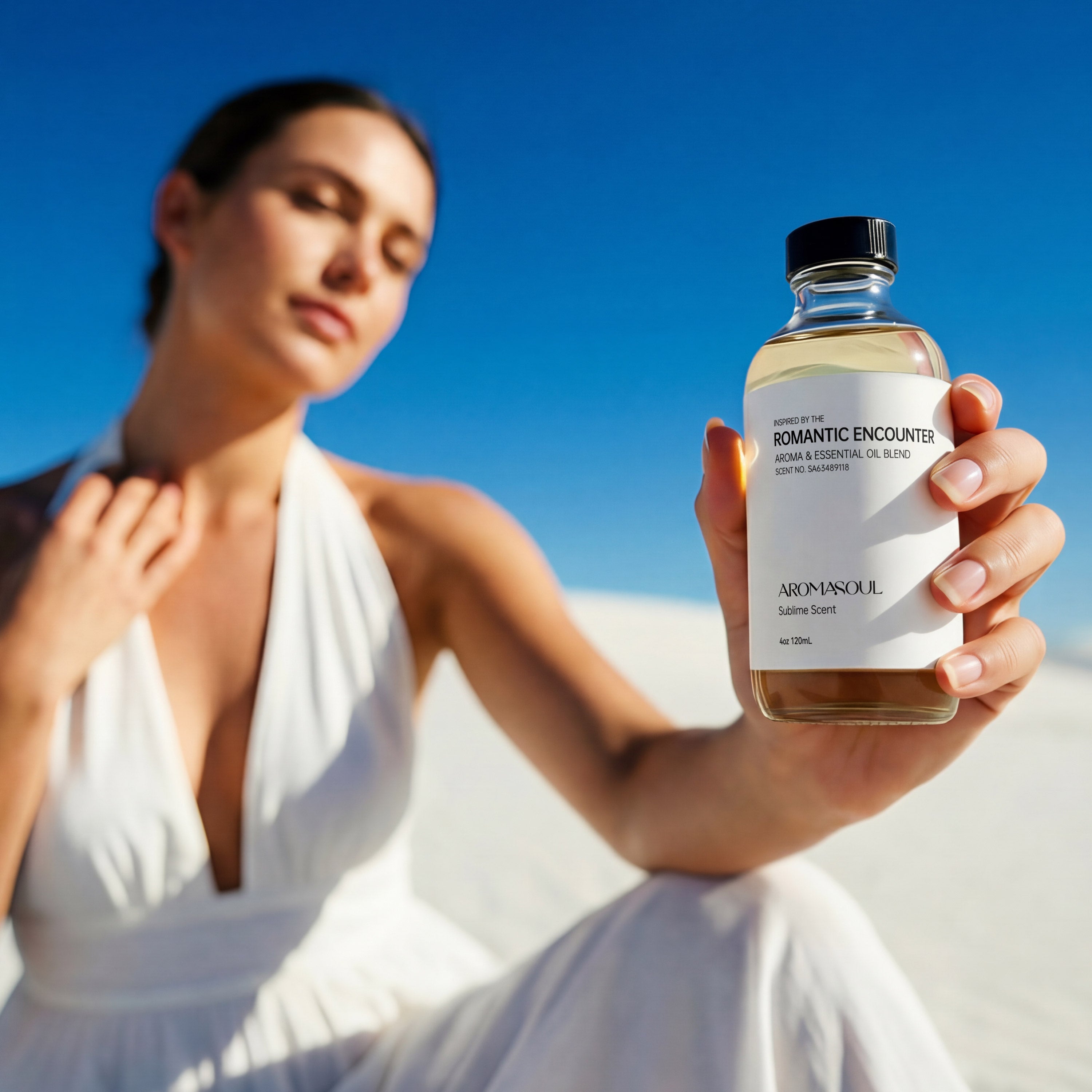
Fragrance is perhaps the most elusive to articulate. It cannot be written—only smelled, and truly understood when experienced in person. It is even difficult to retain in memory; only upon encountering it again can one recall its associated emotions and nuances. Scent is ethereal, yet it weaves itself into the fabric of memory. Many stories begin with a whiff. We use a distinct aroma to remember a person, and a signature scent to remember a hotel.
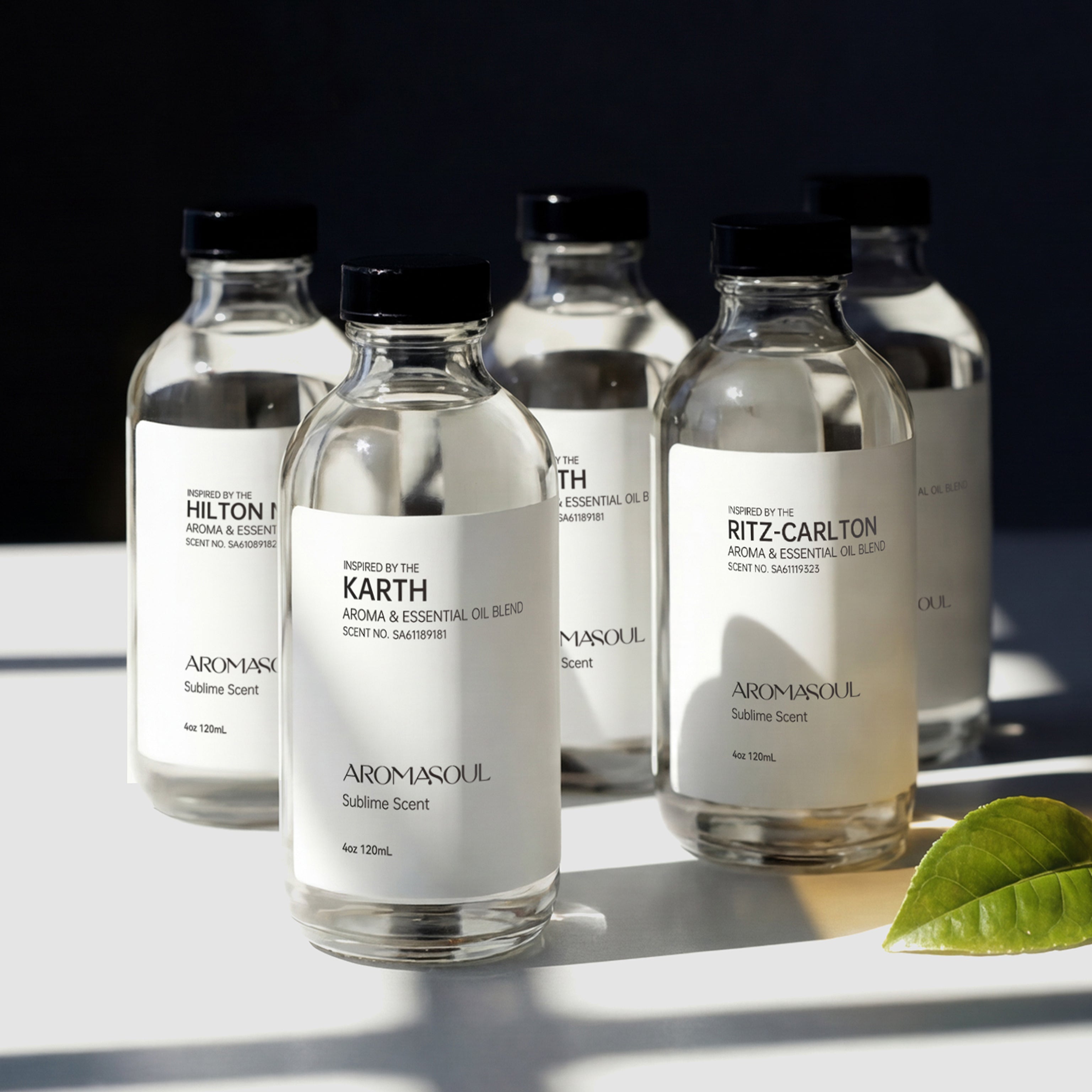
Signature fragrance has become a distinctive hallmark of hotels
Looking back at the first hotel to employ scent marketing, we find that this "aromatic branding" emerged merely a decade ago. It is said that Las Vegas mogul Steve Wynn introduced a signature scent at his Mirage Hotel, diffused through the central air conditioning system into the lobby. This unique sensory experience captivated countless visitors from afar. Upon entering any Langham Hotel worldwide, the elegant and subtle fragrance of ginger lily gently envelops you. This fresh floral note harmonizes with Langham's signature pink hue, weaving seamlessly into the romantic heritage of this century-old brand. Together, they form the two most iconic signatures deeply embedded in the Langham experience.
Unlike the romantic floral notes of The Langham, Shangri-La's signature fragrance crafts an olfactory interpretation of the paradise described in James Hilton's Lost Horizon through a blend of vanilla, sandalwood, and musk. With its origins rooted in the East, Shangri-La demonstrates a profound understanding of the world's fascination with Oriental mystique—classical yet opulent, enigmatic yet intoxicatingly lingering. The St. Regis Hotel features a signature fragrance named "Caroline's 400," inspired by Caroline Astor, the 19th-century socialite and matriarch of the founding Astor family. This scent transports one to the legendary "Astor's Gilded Age" soirées—blending exotic woody notes from ballroom floors with potted palms and apple blossoms lining the corridors, all harmonized with the delicate effervescence of champagne in guests' hands.
 Fragrance carries the echoes of memory
In the opening pages of Marcel Proust’s In Search of Lost Time, the narrator vividly recounts how the scent of a petite madeleine cake dipped in his mother’s tea transports him back to his childhood in Combray. It is precisely Proust’s masterful use of olfactory memory as a gateway to autobiographical recollection that has given name to a psychological phenomenon: the "Proustian Effect"—where a scent unlocks long-forgotten, emotionally charged memories, revealing the profound and immediate link between smell and remembrance. Indeed, the linkage between scent and memory represents one of our body's most primal instincts—and science offers further insight. It is said that 75% of emotional memories are stored through the olfactory system. The sense of smell is processed by the olfactory bulb in the nose, which connects directly to two key brain regions responsible for emotion and memory: the amygdala and the hippocampus.
 Olfactory artist Klara Ravat from Barcelona established a scent laboratory in Berlin to explore the intersection of science and art through smell. Klara believes that fragrance carries positive energy and possesses the power to transport us instantly. A single scent can carry us across time and space, awakening the stories that live there.
 The word "perfume" originates from the Latin per fumum, meaning "through smoke"—a reference to the way soothing vapors calm the spirit, delight the senses, and relax the body amid swirling incense. Today, Through the Smoke takes on a deeper meaning: when memory begins to fade, scent can still guide fragmented images, piecing together moments of the past and leaving behind a lingering sweetness for the soul to savor.
 Scent traces the path of our lives
Some say fragrance maps the journey we have traveled—for only through experience do we come to know the scent of rain-dampened earth, sun-warmed linens, burning firewood, and the ink upon the pages of a book. A study published in the British journal Neuron revealed that scientists from University College London conducted experiments showing scent to be the most enduring of all sensory memories. While visual memories may fade within days or even hours, olfactory experiences can forge remarkably long-lasting recollections.
 Many guests return to the same hotel time and again, perhaps because its scent lingers in the heart—resonating within memory until it draws them back. A distinctive fragrance captivates every new traveler, imprinting a lasting sensory signature, so that each encounter with a similar aroma rekindles the memory of their stay.
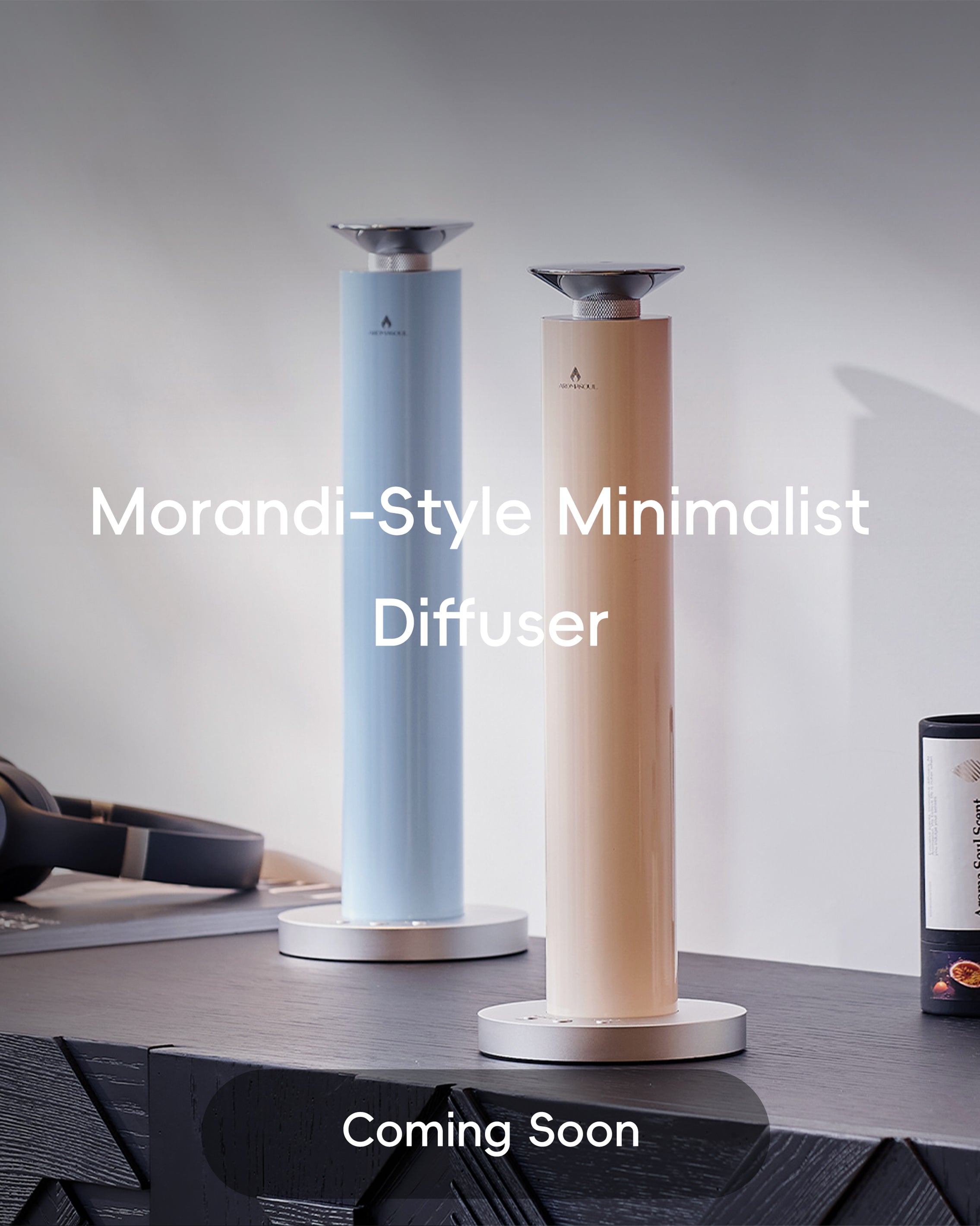
 Each hotel expresses its identity through a distinct aromatic signature, firmly claiming its place within our sensory landscape. To fully realize the potential of scent, aroma diffusers are indispensable—transforming journeys through time and space into an olfactory experience.

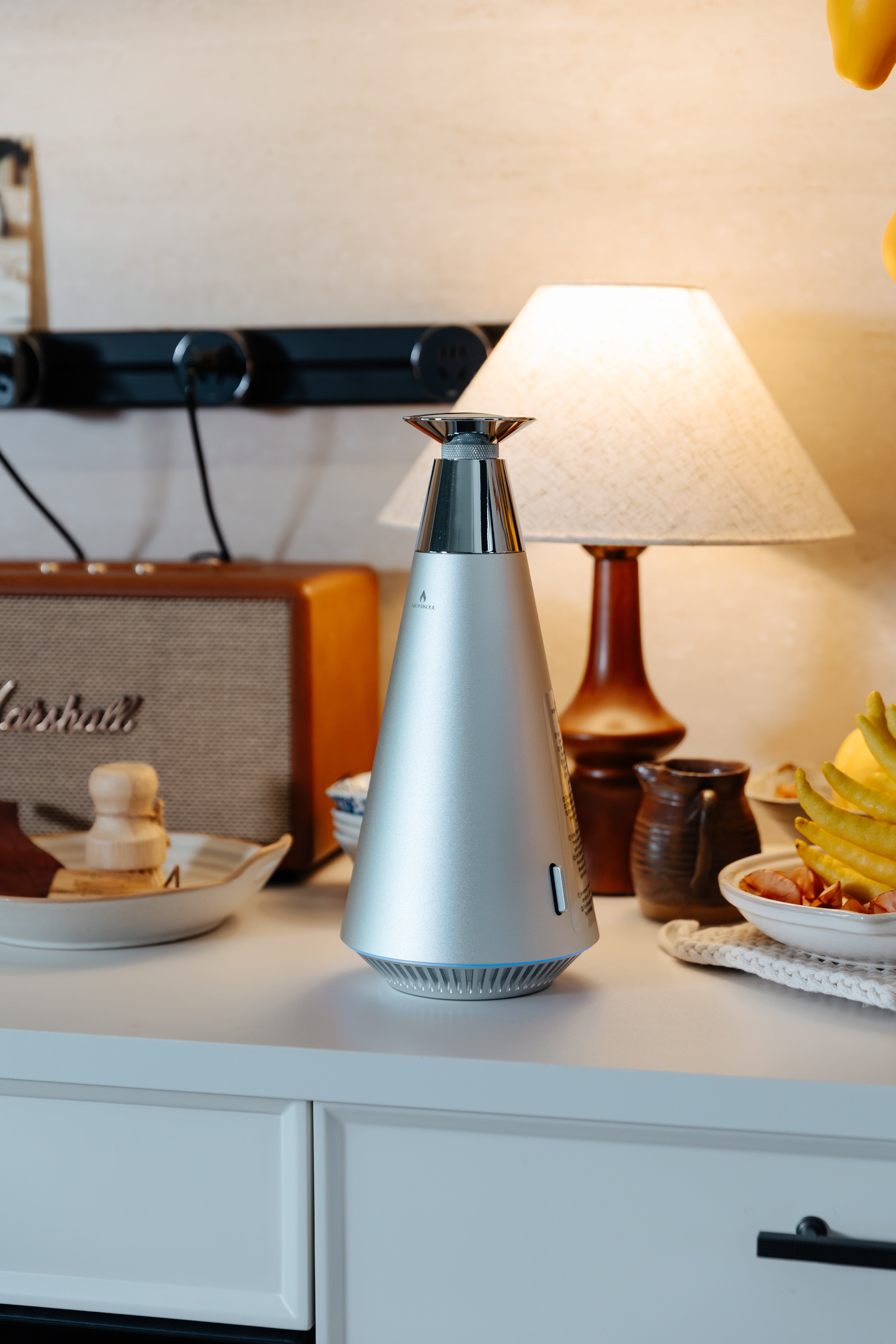
The i7 Aroma Diffuser employs exclusive two-fluid atomization technology, releasing fragrance through an advanced carrier system that allows scents to articulate intricate details within the mind, perfectly reconstructing fragments of memory.